Your roof is a chariot of the sun.
Konark's builders carved a temple as the sun's own chariot. We put a smaller one on your roof. Konarq designs, installs and looks after rooftop solar for homes, societies and businesses, and we handle the PM Surya Ghar subsidy and the net meter so you only see the savings.
- 300+ installations done
- Up to ₹78,000 central subsidy
- 5 years of care included
Built like Konark. Paid back in a few summers.
Seven hundred years ago, on the Odisha coast, the Sun Temple at Konark was carved as Surya's chariot: twenty-four stone wheels, seven horses, all facing the dawn. Its wheels still tell the time from the sun's shadow. We borrowed the idea and the name. A rooftop system is a chariot that turns sunlight into units on your bill.
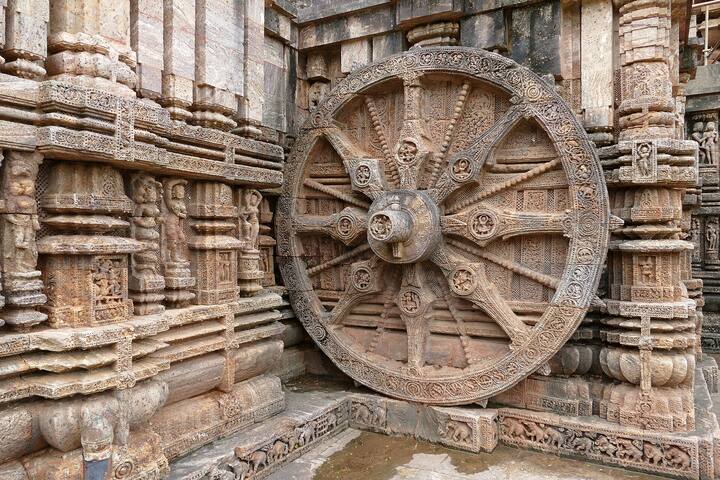
A temple that rides the sun
King Narasimhadeva I built it around 1250 CE. The whole temple is a chariot, pulled towards the sunrise.
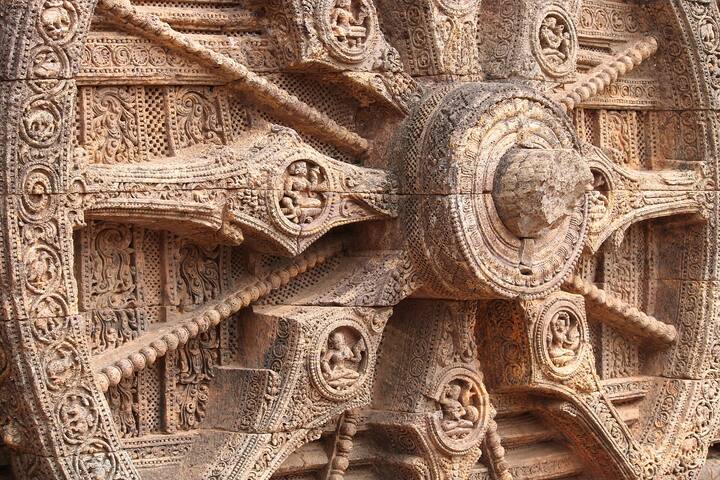
Spokes that read the sun
Eight thick spokes split the day into eight prahars of three hours. A shadow on the hub tells the time. You have carried this wheel on the ₹10 note.
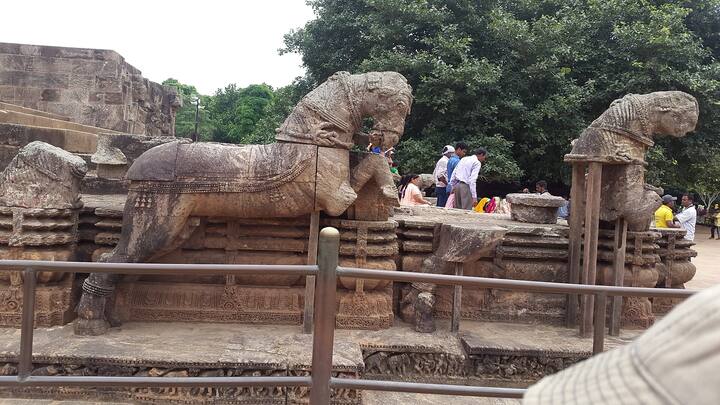
Seven horses, seven steps
In the old texts Surya's seven horses carry the names of seven Vedic metres. Our installation has seven steps, and we named each after one.
Read your roof the way Konark reads the sun.
Set a Konark wheel to the 24 hours of a day and the eight spokes mark three-hour prahars. A 5 kW system on a clear NCR day fills the top half of the dial: it wakes around 7 am, peaks at noon with over 3 units an hour, and rests by 5 pm.
- About 21 units on a clear day from 5 kW, enough to run two ACs through the afternoon
- Roughly 1,400 to 1,450 units per kW a year in Delhi NCR
- Midday is when most homes use least, so net metering banks the extra for evening
Seven horses pull every installation.
Surya's horses are named after the seven metres of Vedic verse. Ours are seven steps from the first call to the subsidy landing in your account. You deal with one team for all of them.
-
1Horse 1 · Gayatri
Bill check
Share a recent electricity bill. We read your load, slab and usage pattern, and tell you the size that makes sense. Usually the same day.
-
2Horse 2 · Brihati
Roof survey
An engineer visits, checks the roof, measures shade through the day, notes the parapet, water tank and structure, and photographs the meter board.
-
3Horse 3 · Ushnik
Design and fixed quote
You get a layout, the expected yearly units, the subsidy you qualify for and one fixed price. No surprises added on installation day.
-
4Horse 4 · Jagati
Paperwork
We file on the PM Surya Ghar portal and with your DISCOM for feasibility and net metering, and track every approval for you.
-
5Horse 5 · Trishtubh
Installation
Rust-proof structure, India-made panels, inverter, earthing and lightning protection. Most homes are done in one to three days on the roof.
-
6Horse 6 · Anushtubh
Net meter and inspection
Your DISCOM inspects the system and fits the net meter. Then the commissioning certificate is issued on the portal.
-
7Horse 7 · Pankti
Subsidy and care
You redeem the subsidy, which goes straight to your bank account. We stay on for five years of maintenance, cleaning advice and app monitoring.
Twelve months, twelve charioteers.
The Puranas say a different Aditya rides the sun's chariot each month. In NCR the busiest riders arrive in March, April and May. Monsoon clouds and winter smog slow the rest, which is why we size systems on the full year, not on a sunny day.
Move the slider to your bill.
See the size that suits you, the subsidy you qualify for, what you pay and how fast it comes back. Then book a survey to turn the estimate into a fixed quote.
Rate per unit = bill amount ÷ units on the bill. Leave the default if you are not sure. Home systems only; for societies and businesses we size from the load on site.
- Typical price before subsidy
- Central subsidy (PM Surya Ghar)
- State top-up
- You pay, roughly
- Bill saving
- Payback
- Savings over 25 years
An estimate, not a quote. Prices use typical 2026 NCR rates; 25-year savings assume 3% yearly tariff rise and 0.5% yearly panel ageing, and count only units you would otherwise buy.
Kothis, builder floors, societies and shop floors.
Homes and builder floors
On-grid or hybrid systems for independent houses, kothis and builder floors, with the full PM Surya Ghar subsidy and a raised structure that leaves your terrace usable.
20 to 500 kWHousing societies and RWAs
Cut common-area bills for lifts, pumps and lighting with ₹18,000 per kW in subsidy. We present to the managing committee and handle the AGM paperwork.
10 kW to 1 MWShops, offices and factories
Commercial rates make solar pay back fastest. Capex or EMI, with accelerated depreciation for businesses and monitoring for every string.
Across Delhi NCR and the Chandigarh tricity.
Every DISCOM has its own forms, inspection queue and net metering quirks. Pick your city to see the subsidy, DISCOM and process that apply to you.
From metro stations to family terraces.
India added over 50 lakh rooftop homes under PM Surya Ghar by August 2026. A few rooftops and plants from around the country, from public photo libraries.
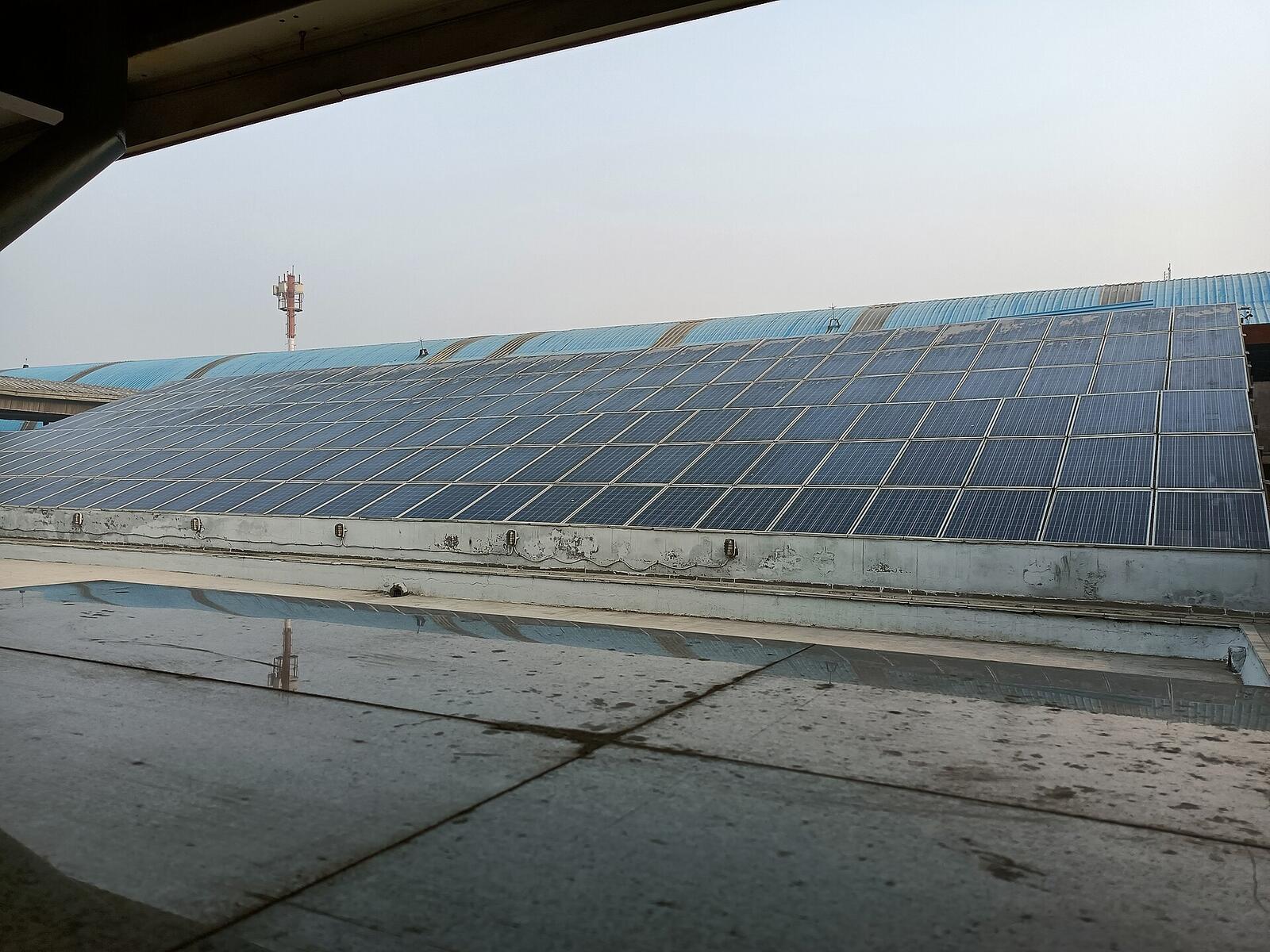
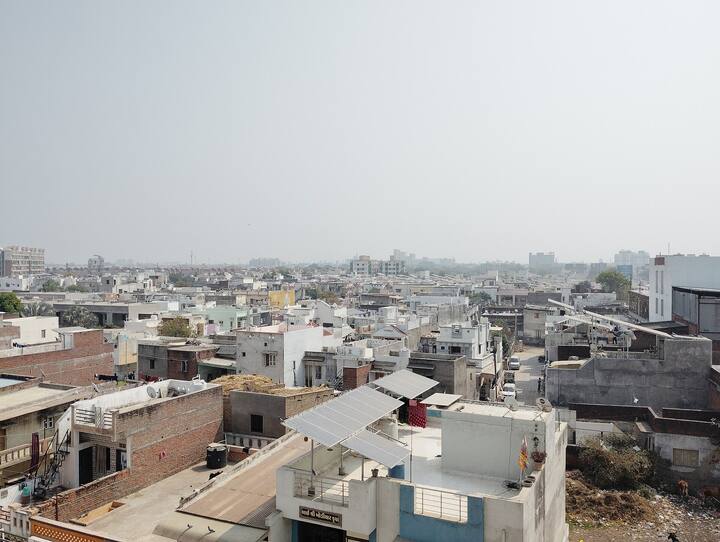
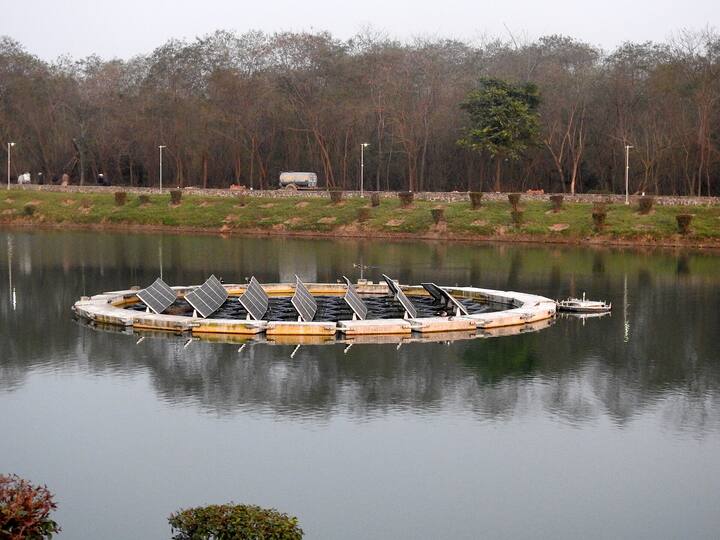
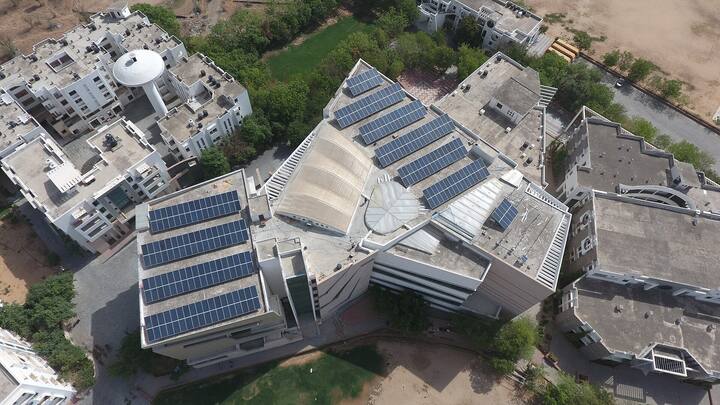
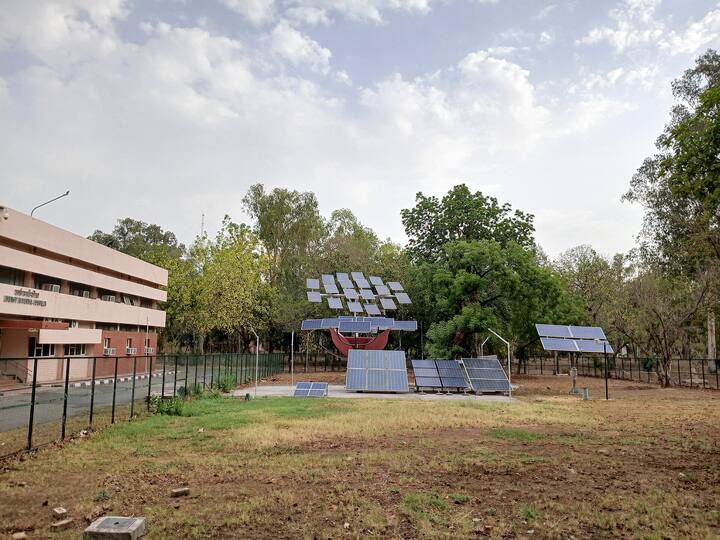
Full credits and licences on the photo credits page.
Common questions
How much does rooftop solar cost in Delhi NCR?
How much subsidy will I get?
How long does it take from survey to savings?
Does solar work in Delhi's smog and winter?
Will my lights stay on in a power cut?
Is my roof suitable?
Can a housing society or RWA get solar?
Do you handle the paperwork?
Put the sun's chariot on your roof.
One visit tells you how many units your roof can make, what the subsidy covers and what you will pay. The survey is free and there is no obligation.
- PM Surya Ghar registered process and paperwork handled
- India-made (DCR) panels that qualify for subsidy
- Five years of maintenance on every home system
Prefer to talk? +91 96502 10909 or WhatsApp us